Skip to content

Our Work

Case Studies

Our case studies

01

Case study 01 · Field Services

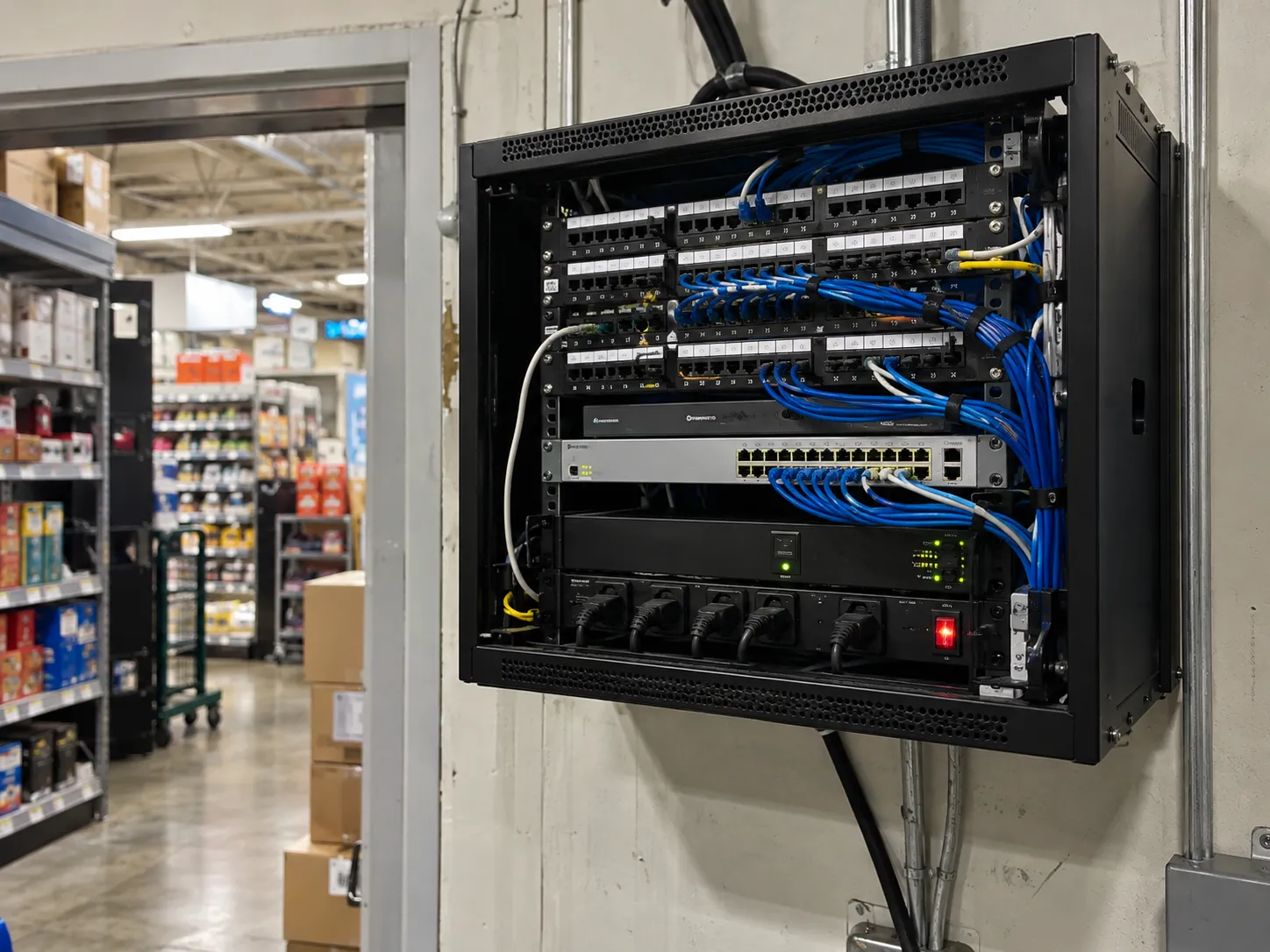
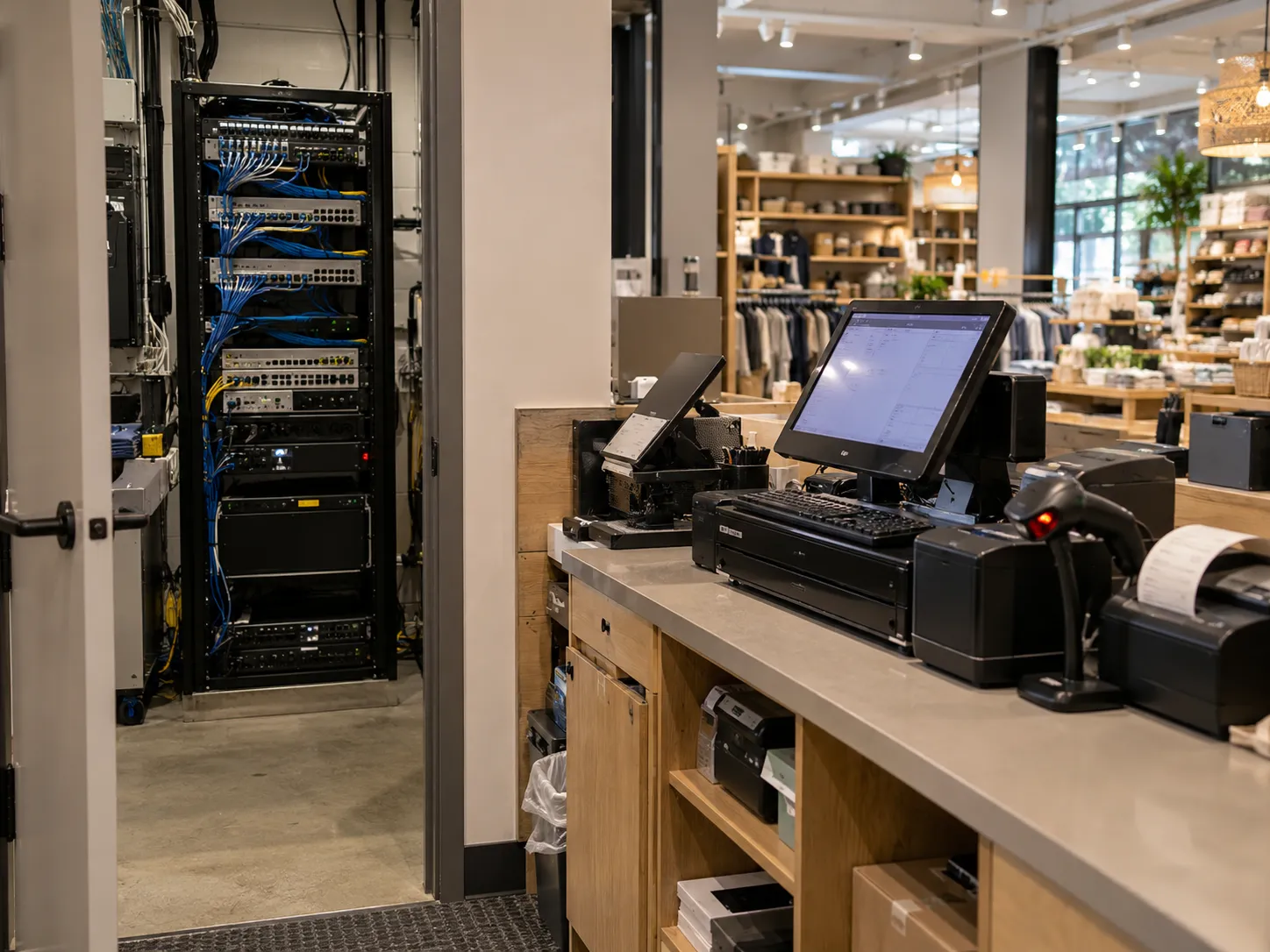
Coordinating a 12-Site Retail Hardware Refresh

A retail technology refresh can look straightforward on a project plan: replace designated equipment, confirm connections, and close the ticket. In practice, the hardest part is often executing the same approved work reliably at every location while stores remain active. This illustrative scenario follows a fictional managed service provider (MSP) coordinating an infrastructure refresh for a retail network through a single on-site field-support workflow. The client and its end customer are unnamed because they are fictional. The purpose is to demonstrate a useful approach to field delivery, not to claim that DacoreIT completed a particular deployment.

  • Audience: MSPs and systems integrators
  • Setting: Multi-site retail
Store network cabinet
Checkout & backroom systems

02

Case study 02 · Smart Hands

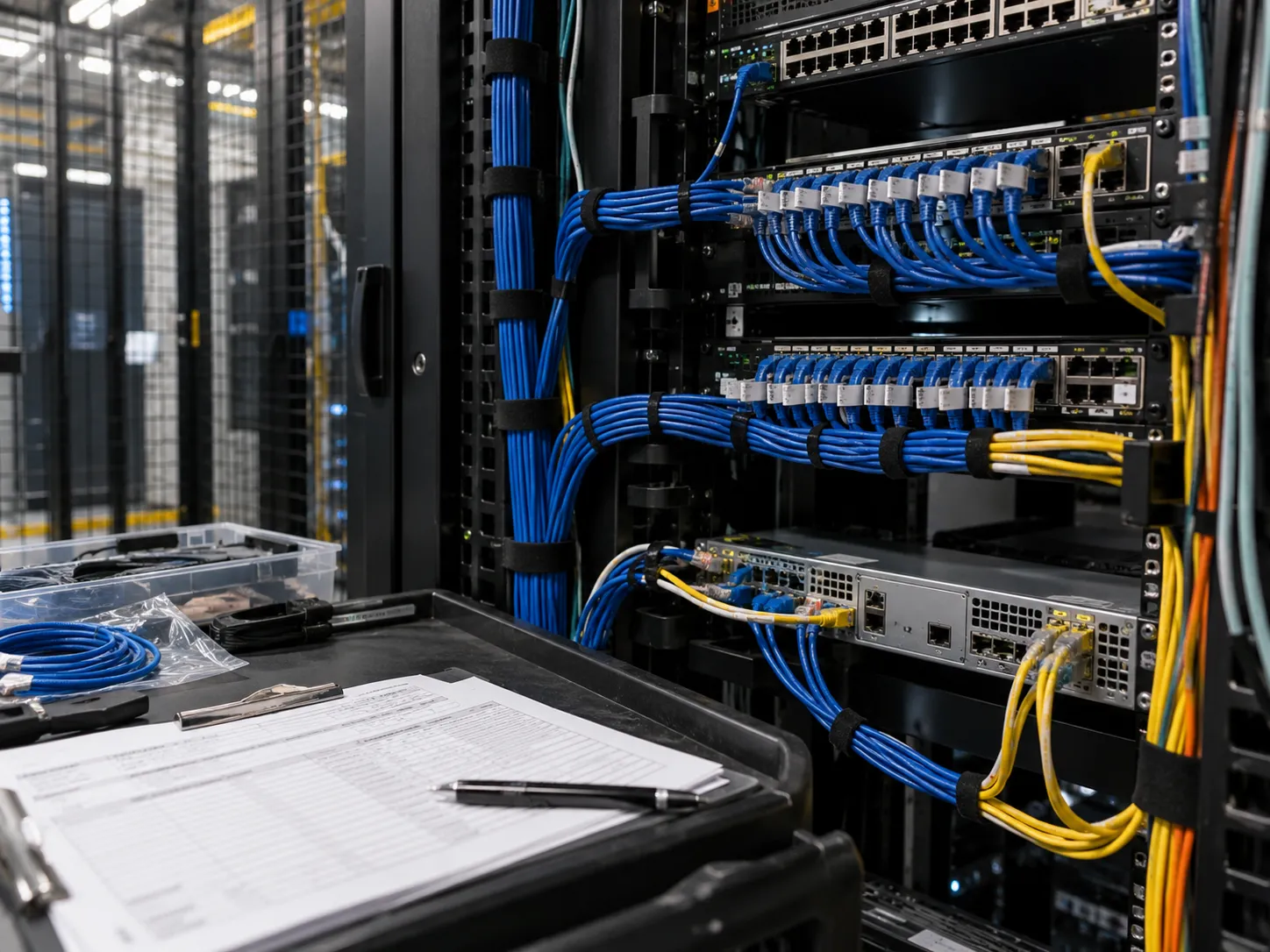
Remote-Led Rack Changes in a Colocation Facility

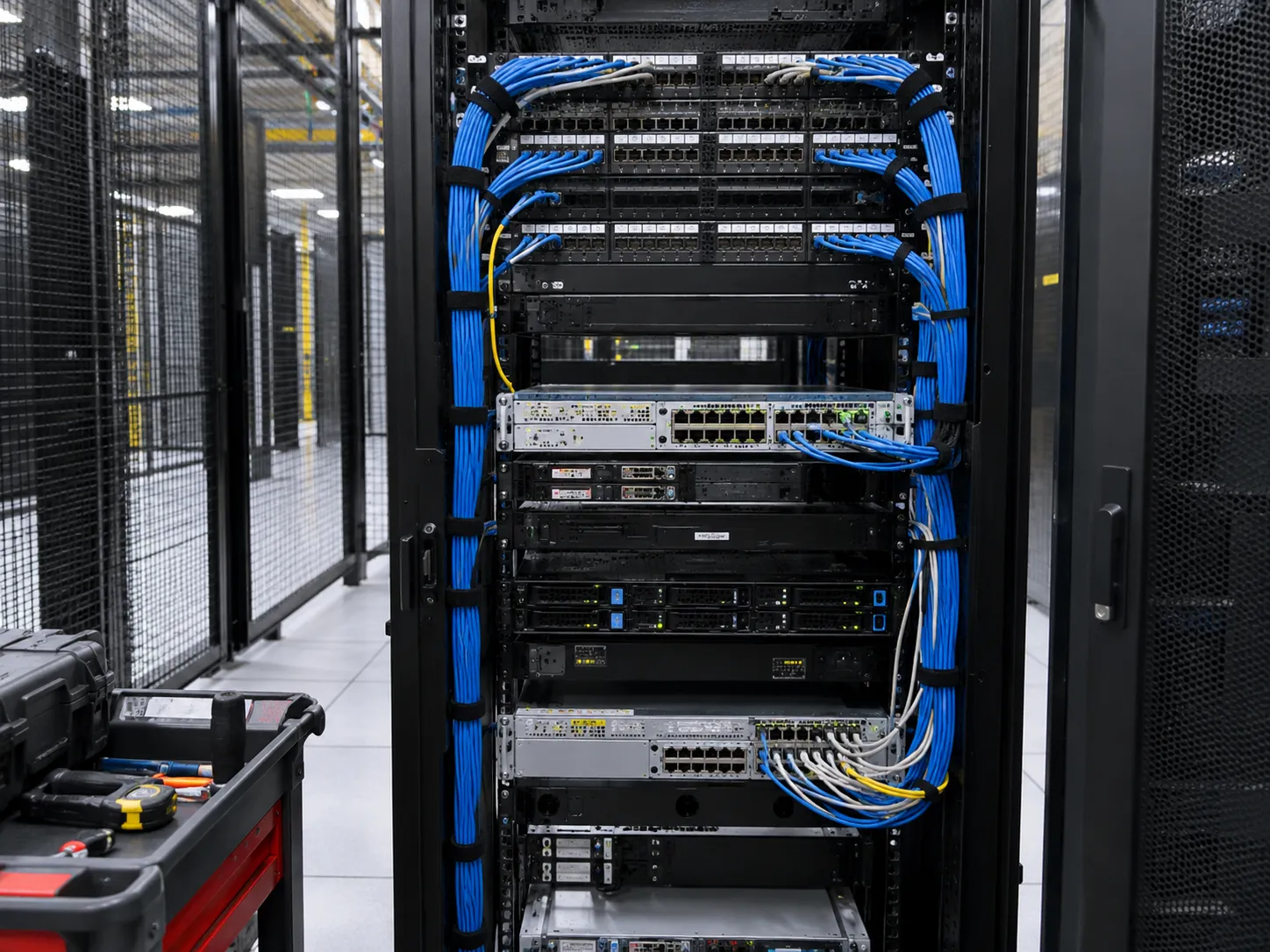
When a network operations center manages infrastructure inside a distant data center, a small physical task can create a large coordination problem. Someone must be at the rack, but that person should not need broad access to the client’s systems or authority over the change plan. This hypothetical Smart Hands scenario describes how a fictional technology partner might use authorized on-site assistance to complete a series of carefully sequenced physical tasks while remote specialists retain technical control. The anonymous company, location, environment, quantities and outcomes are invented as a demonstration of an operating model.

  • Audience: MSPs, cloud integrators, NOC teams
  • Scenario: Third-party colocation
Colocation rack
Colocation rack
Cabling work area
Cabling work area

03

Case study 03 · Data Center Support

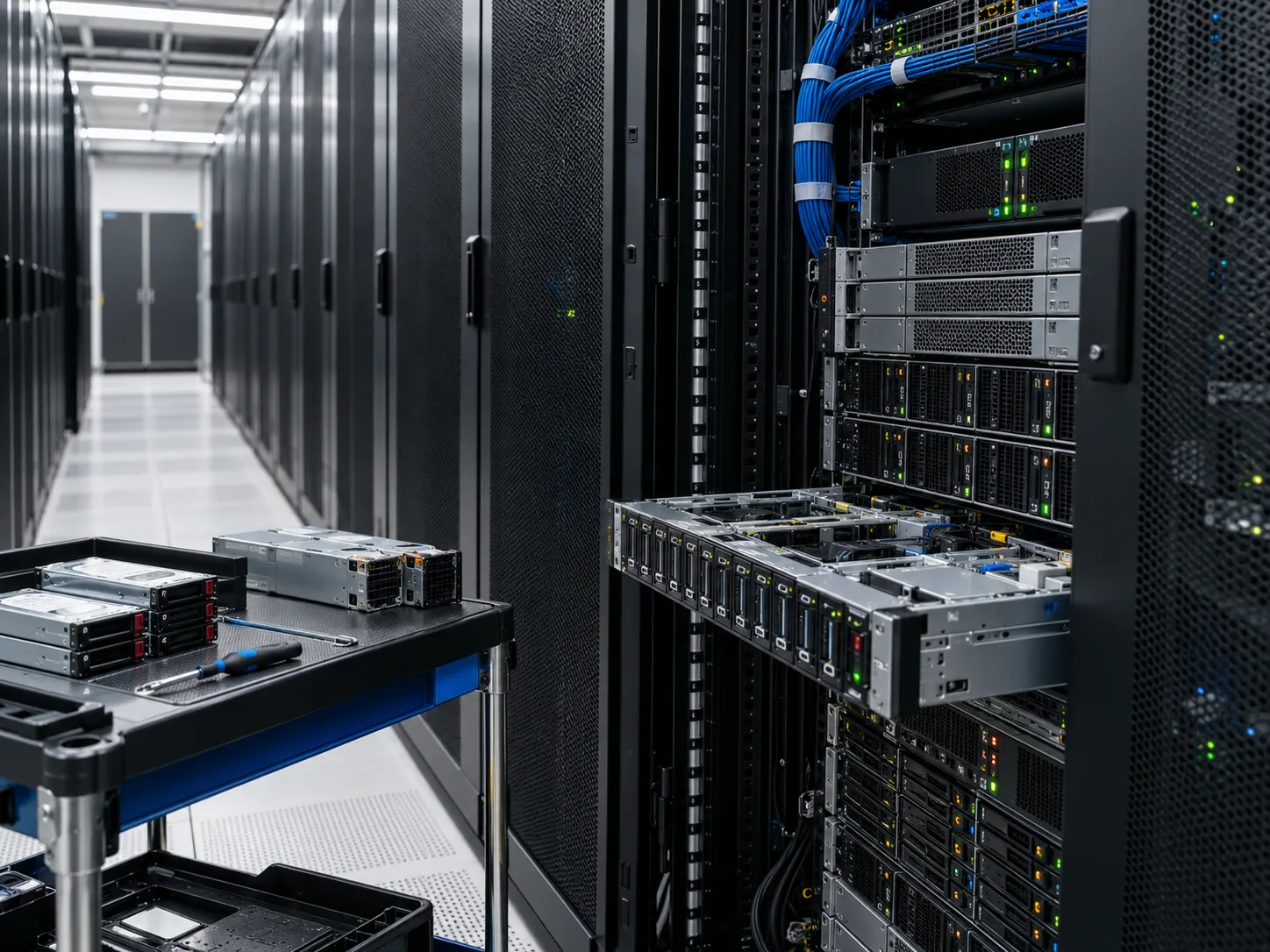
Planned Server Hardware Replacement with Change Control

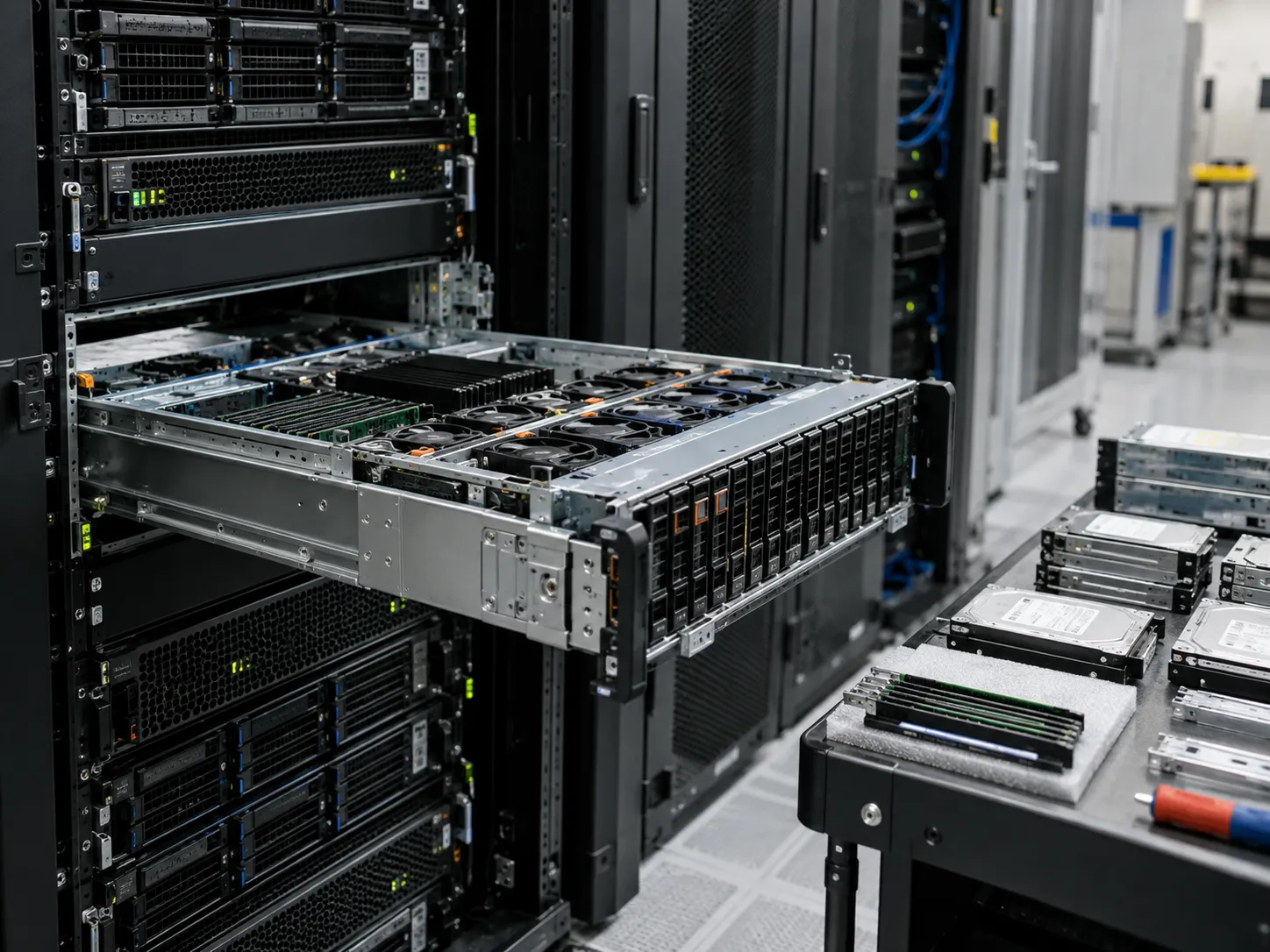
A data center project may be called a “hardware refresh,” yet the work usually crosses several operational boundaries: asset identification, physical safety, facility access, vendor instructions, maintenance approval, monitoring and support handover. This fictional case explores a technology partner’s planned replacement of hardware components in a shared data center environment. The point is not to claim a completed DacoreIT project. It is to show prospective infrastructure partners what should be coordinated when engineers perform physical work on systems that remain subject to remote operational control.

  • Buyer: MSP or infrastructure provider
  • Context: Colocation data center
Server room environment
Server hardware maintenance

04

Case study 04 · IMAC Services

Equipping a New Satellite Office for Day-One Readiness

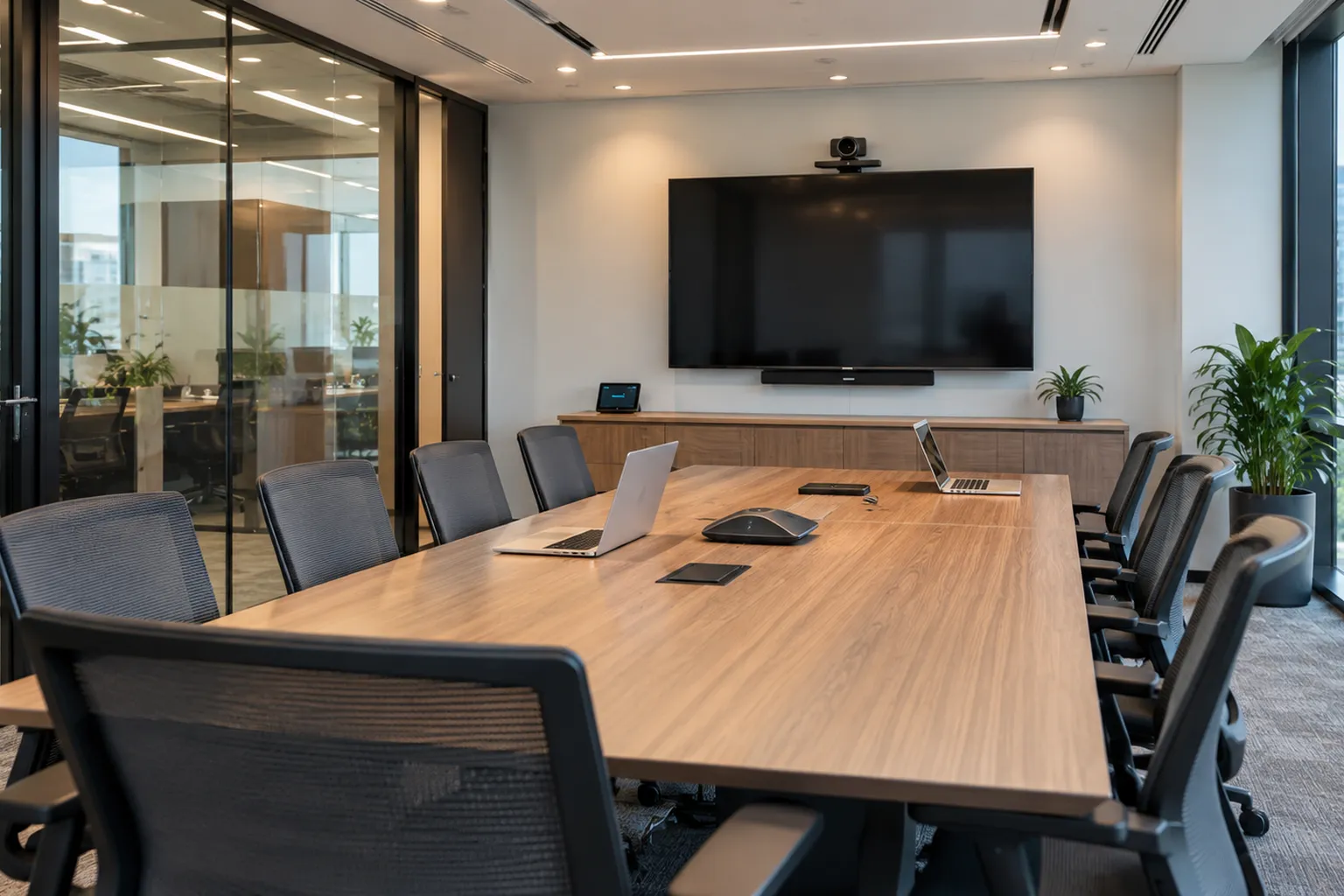
A fictional professional-services business is opening a new satellite office for a growing hybrid team. Unlike a company relocating its old laptops and desks between buildings, this project centers on installing, adding and configuring an approved technology environment for new employees, shared meeting rooms and expanding teams. The fictional client has leased space but has not yet populated the desks or verified the desk-to-network assignments. Its MSP owns endpoint policies, identity configuration and remote systems administration. A local IMAC team would implement the physical install, move, add and change tasks according to approved workplace plans. The example is intentionally hypothetical and is not evidence of actual DacoreIT project delivery.

  • New office activation
  • MSP-supported employee technology
New workstations
New workstations
Meeting room readiness

05

Case study 05 · Network Support

Wireless Refresh Across Four Logistics Depots

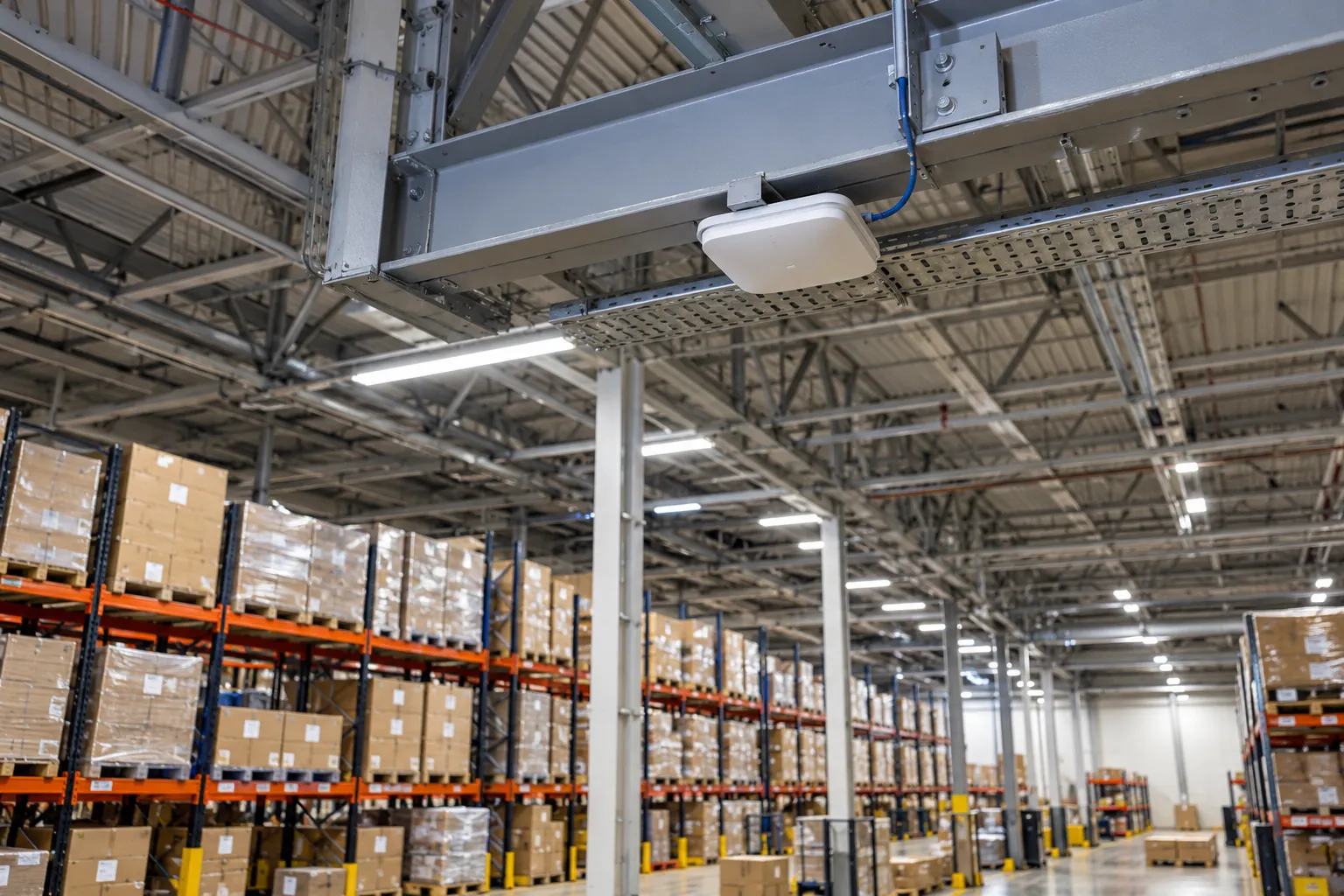
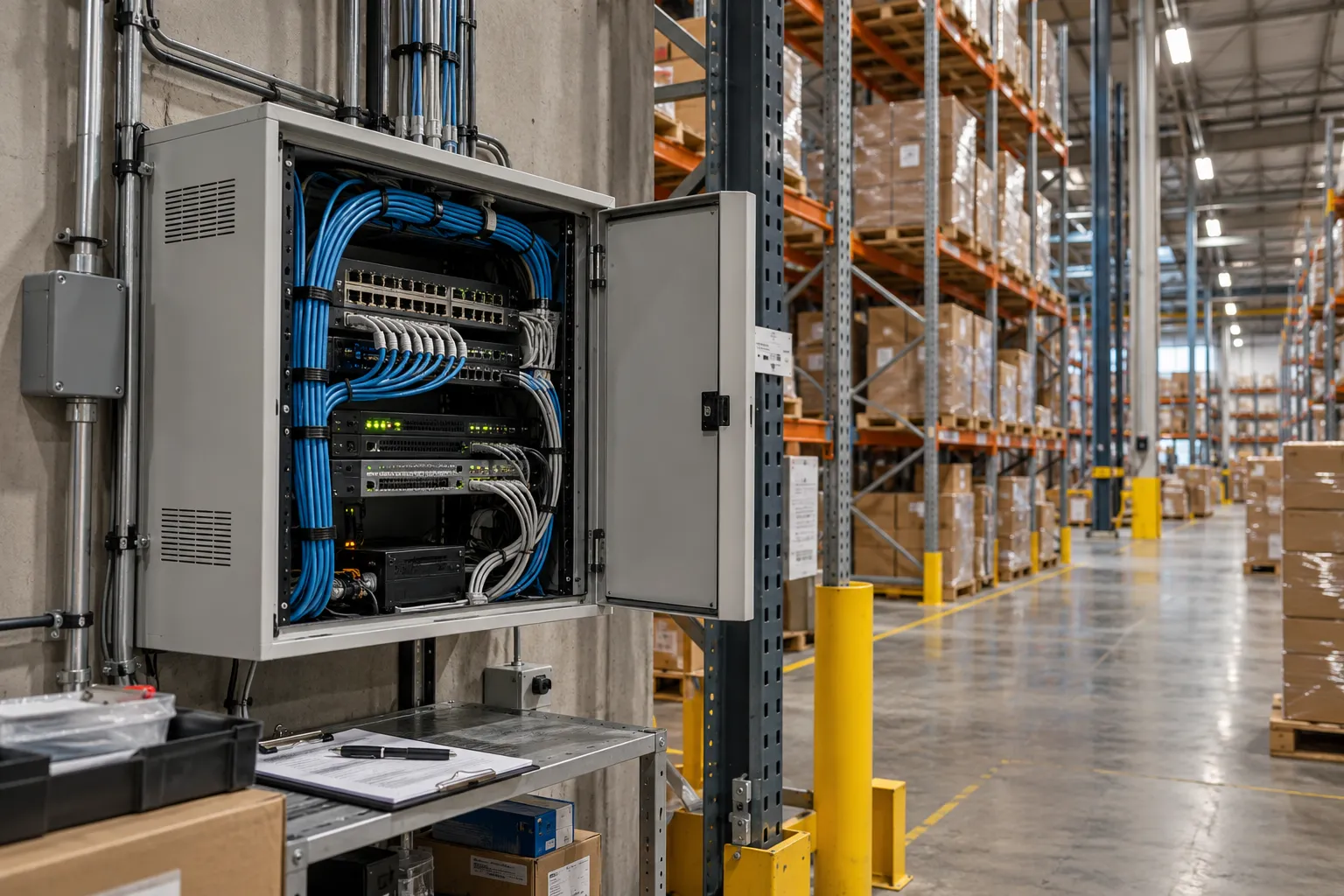
The example concerns a fictional logistics operator modernizing wireless coverage at four warehouse depots. The customer profile is deliberately anonymous and entirely invented. A network integrator responsible for design and configuration who needs coordinated local access and installation assistance. The working scope comprises an illustrative 46 access points, designated network switches, mounting materials and a remote-managed wireless controller. The exact numbers serve to help the reader imagine project complexity; none reflects a verified DacoreIT deployment. The case explains why a carefully structured operating model could be useful, what would need to be established before execution, and what evidence would separate a credible closeout from an informal claim. It is intended for partner decision-makers who must align people, technical work, local operations and client expectations before committing to delivery.

  • Fictional client profile
  • Target: MSPs, integrators and technology partners
Warehouse Wi-Fi access point
Warehouse network cabinet

06

Case study 06 · ITAD

Accountable Retirement of 240 Remote-Work Laptops

A fictional regional technology company is replacing an aging fleet of employee laptops used by hybrid and fully remote teams. The new devices are already in service, but the old ones are scattered across home offices, small satellite locations and a central IT store. The company’s MSP is responsible for collecting the returned equipment and establishing a defensible retirement record. This illustrative IT Asset Disposition (ITAD) scenario considers a batch of 240 laptops, some with removable storage and accessories. It follows what happens after equipment stops being used—not a rollout, relocation or active-user setup. The client and all figures are fictional; the narrative demonstrates an approach rather than DacoreIT’s completed work.

  • Fictional organization
  • MSP-led asset retirement
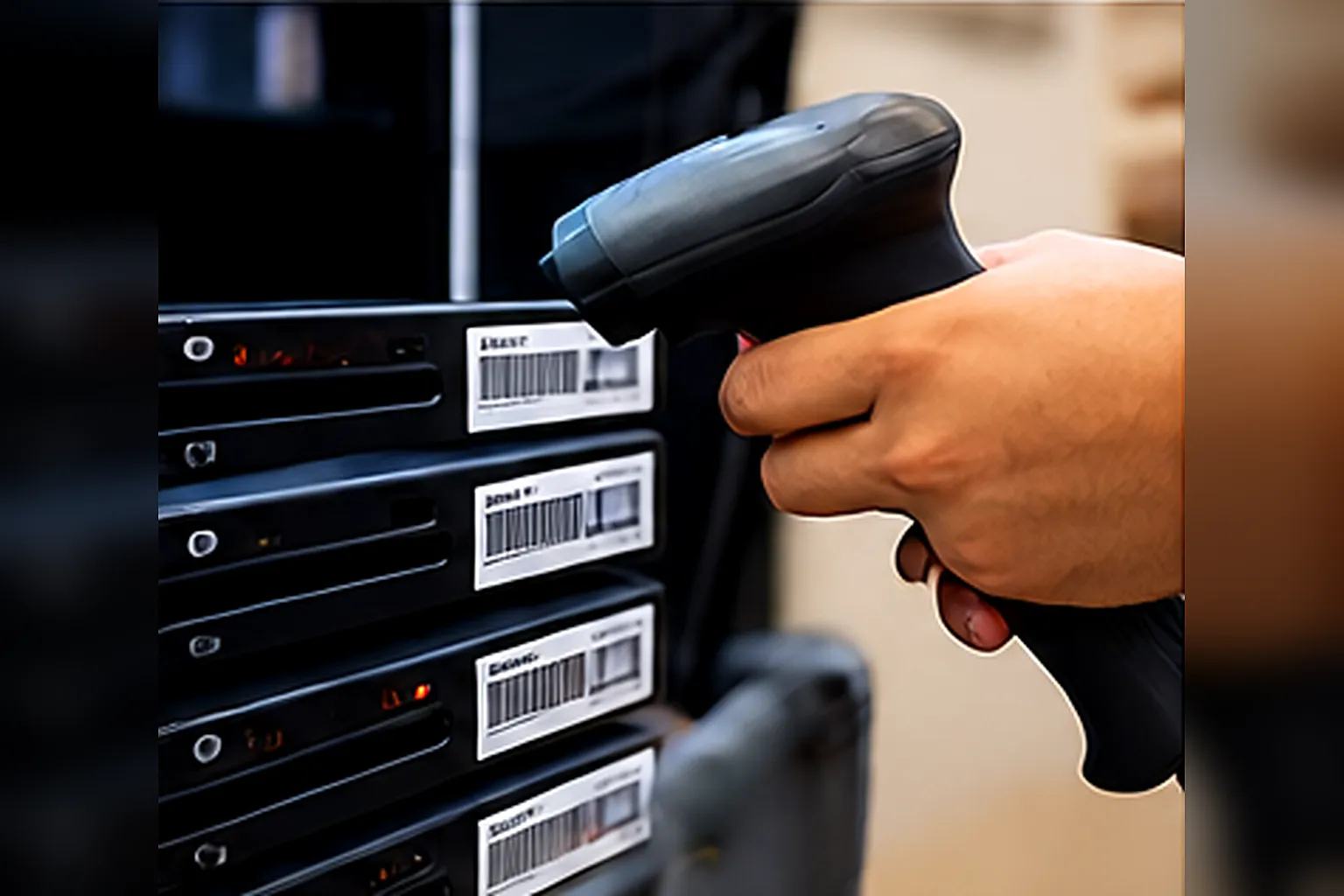
Asset tracking & inventory
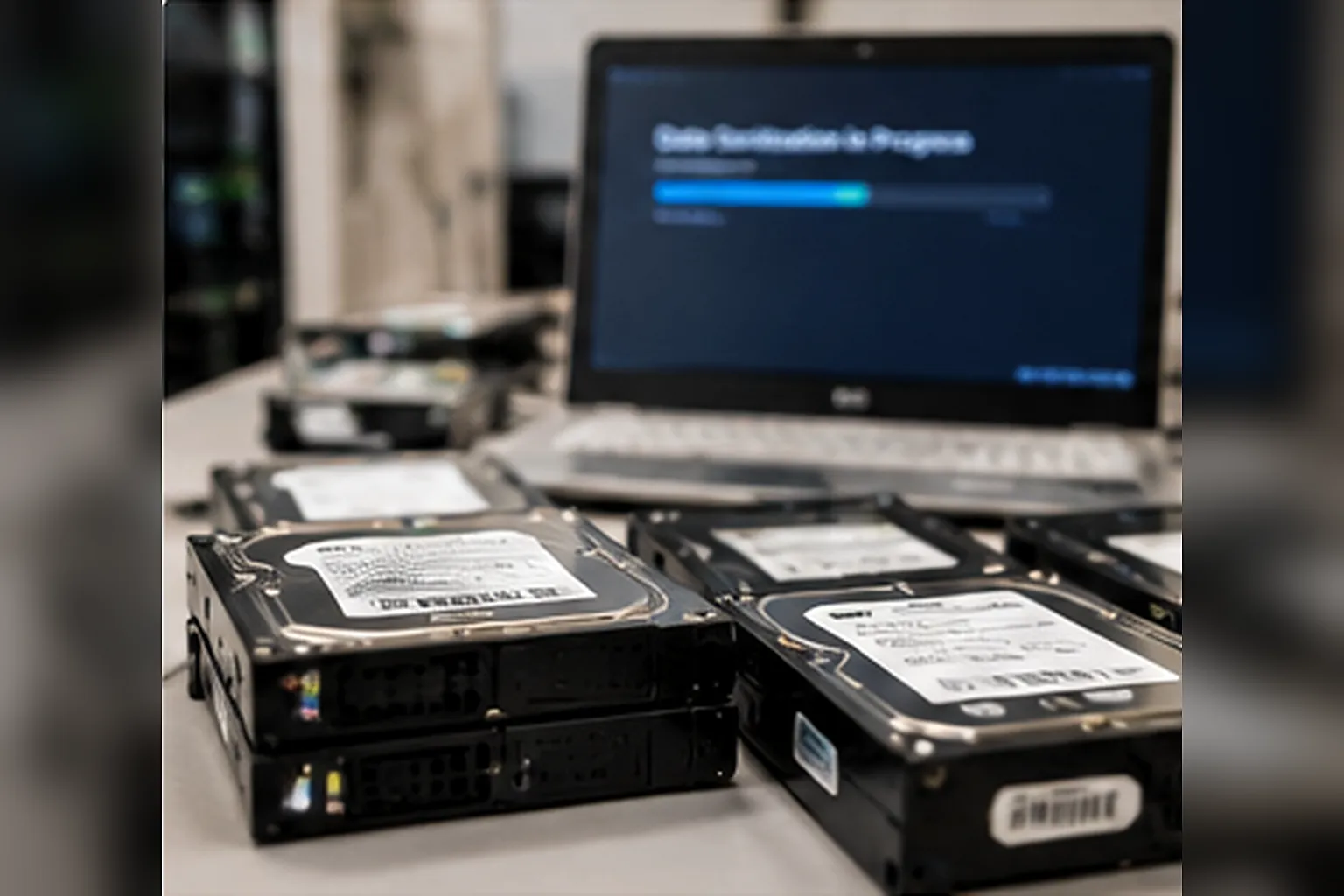
Storage media handling

07

Case study 07 · Managed IT Services

Building a Repeatable Support Desk and Field Escalation Model

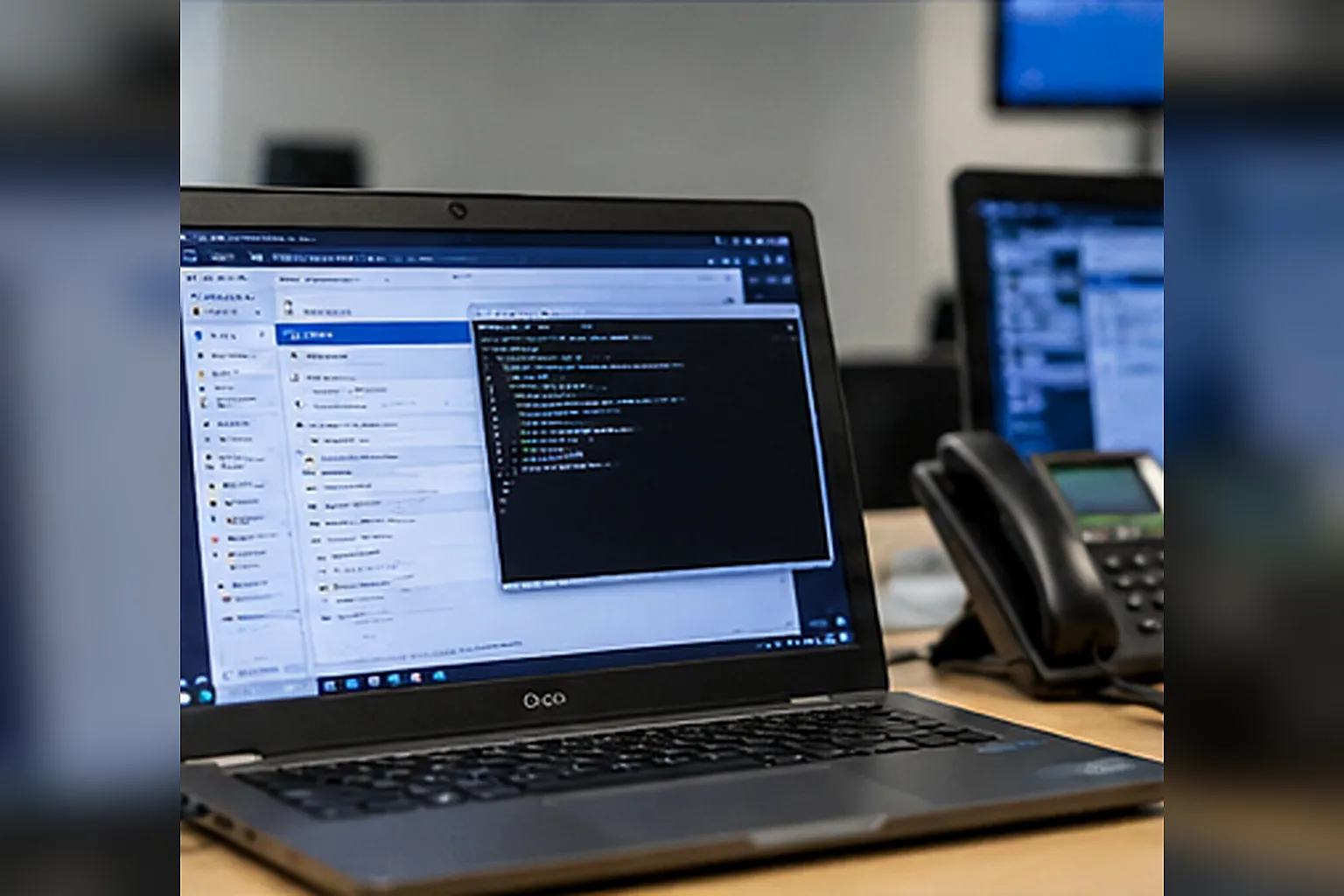
The example concerns a fictional growing MSP consolidating incoming support requests for a portfolio of smaller business customers. The customer profile is deliberately anonymous and entirely invented. An MSP leadership team seeking predictable triage, customer communication and technician handovers. The working scope comprises a synthetic portfolio of 15 managed customer sites, multiple ticket channels, agreed support categories and third-party field visit requirements. The exact numbers serve to help the reader imagine project complexity; none reflects a verified DacoreIT deployment. The case explains why a carefully structured operating model could be useful, what would need to be established before execution, and what evidence would separate a credible closeout from an informal claim. It is intended for partner decision-makers who must align people, technical work, local operations and client expectations before committing to delivery.

  • Fictional client profile
  • Target: MSPs, integrators and technology partners
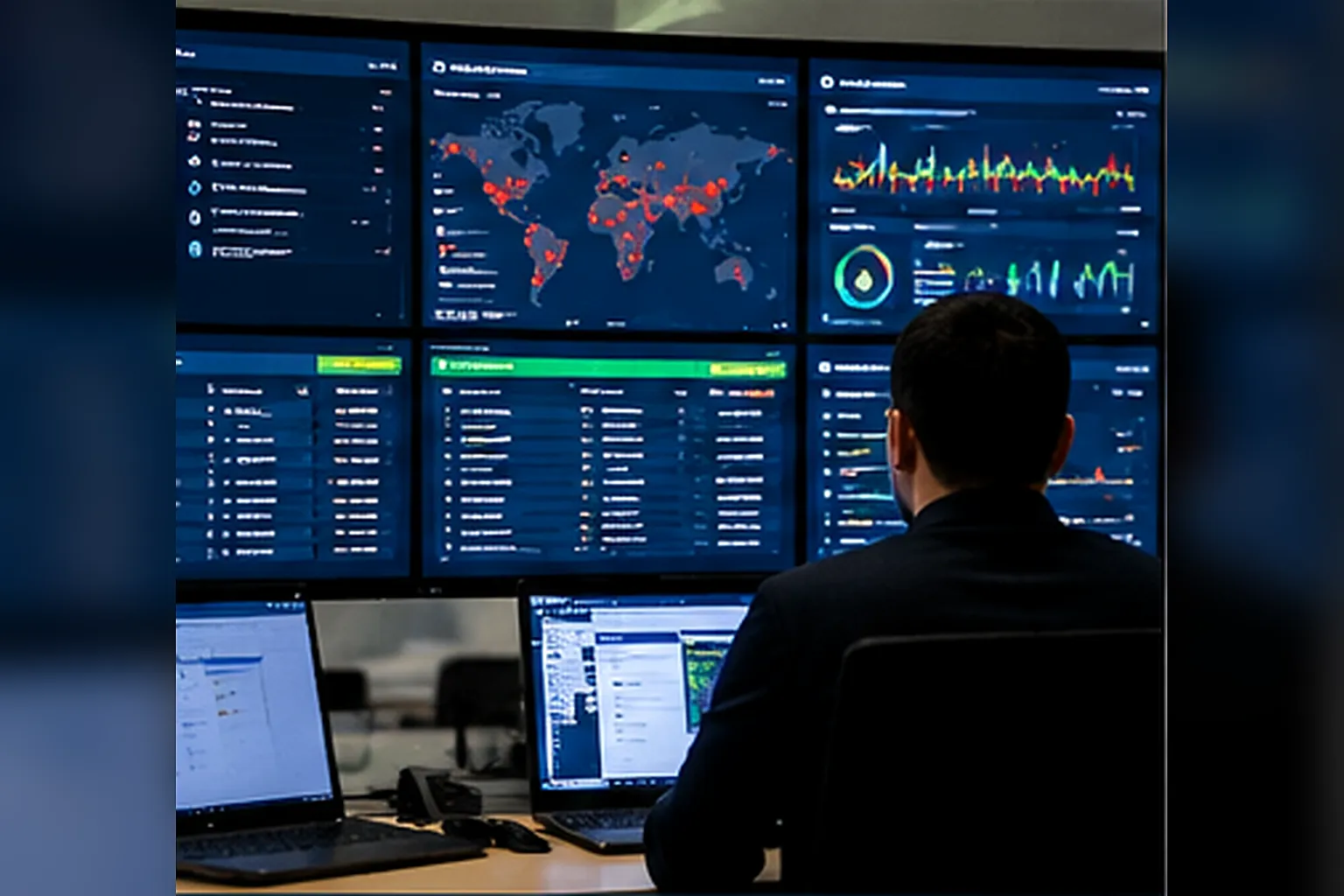
Remote monitoring
Remote monitoring
Remote diagnostics
Remote diagnostics

Illustrative visuals — not photographs of actual DacoreIT client projects.

Our clients

  • Pandora
  • Rockwell Automation
  • Louis Vuitton
  • Nike
  • Tesco

Looking for the Best IT Business Solutions?

Quality Support. Budget-Friendly Rates.